
Investing in Blood/Fluid Warmers: Key Benefits for Hospitals and Clinics
1. Smarter, Safer Infusion Pump Design
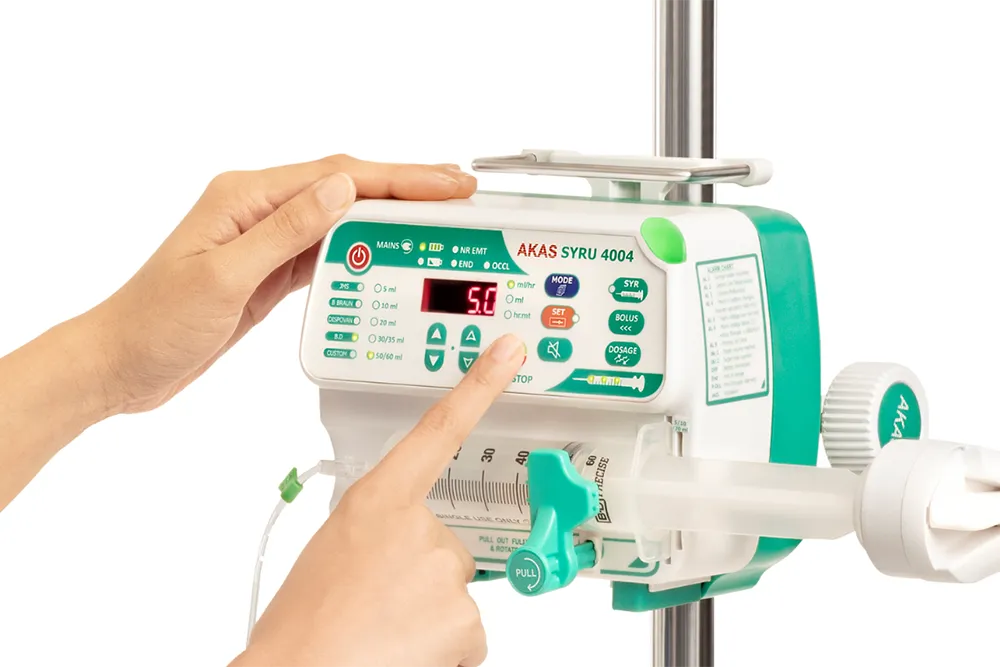
Modern pumps increasingly include features such as:
- Automated alerts for incorrect settings
- Built-in safety limits to prevent over- or under-infusion
- Guided workflows that reduce dependency on manual checks
This evolution in infusion pump technology reflects a broader industry focus on patient safety and consistency of care. In busy hospital wards, where time and attention are stretched, smarter design can significantly reduce the risk of medication errors.
2. Audio and Visual Guidance for Better Usability
- Voice-assisted alerts for setup, alarms, and therapy completion
- Larger, clearer displays for better visibility
- Simplified interfaces that reduce training time
These improvements are particularly valuable in high-pressure environments such as ICUs and emergency departments, where clarity and speed matter. This shift represents a more human-centred approach to infusion technology in healthcare, recognising that devices must support caregivers, not slow them down.
3. Compatibility with Existing Clinical Infrastructure
- Standard IV sets
- Both adult and micro IV configurations
- Rugged consumables suitable for varied care settings
4. Improved Battery Performance and Power Management
- Longer battery backup for uninterrupted therapy
- Faster charging to minimise downtime
- Smart power management modes to conserve energy
5. Focus on Ergonomics and Portability
- Lighter and more compact
- Easier to mount on beds or stands
- Designed for intuitive handling and transport
6. Data Integration and Smarter Monitoring
- Therapy data tracking for better monitoring
- Event logs to support clinical review and audits
- Compatibility with hospital information systems
7. A Shift Toward User-Centred Innovation
- Feedback from nurses and clinicians
- Real-world care environments
- Practical challenges faced during daily use
How AKAS Infusions Aligns with the Future
At AKAS Infusions, innovation is driven by a clear understanding of clinical realities. The focus remains on building infusion solutions that balance safety, simplicity, and reliability, without overcomplicating care.
By prioritising intuitive design, compatibility, and dependable performance, AKAS Infusions continues to contribute to the evolving landscape of infusion technology, supporting healthcare providers as they prepare for the future.
In Conclusion
As we move into 2026, infusion systems are becoming smarter, more supportive, and more aligned with real-world clinical needs. From enhanced safety mechanisms to improved usability and power efficiency, these innovations reflect a broader commitment to better patient outcomes and smoother workflows.
For healthcare providers, staying informed about these trends is key to making confident technology decisions. And for patients, these advancements promise safer, more comfortable, and more reliable infusion therapy.
The future of infusion care is not just about technology; it’s about thoughtful design that puts people first.