
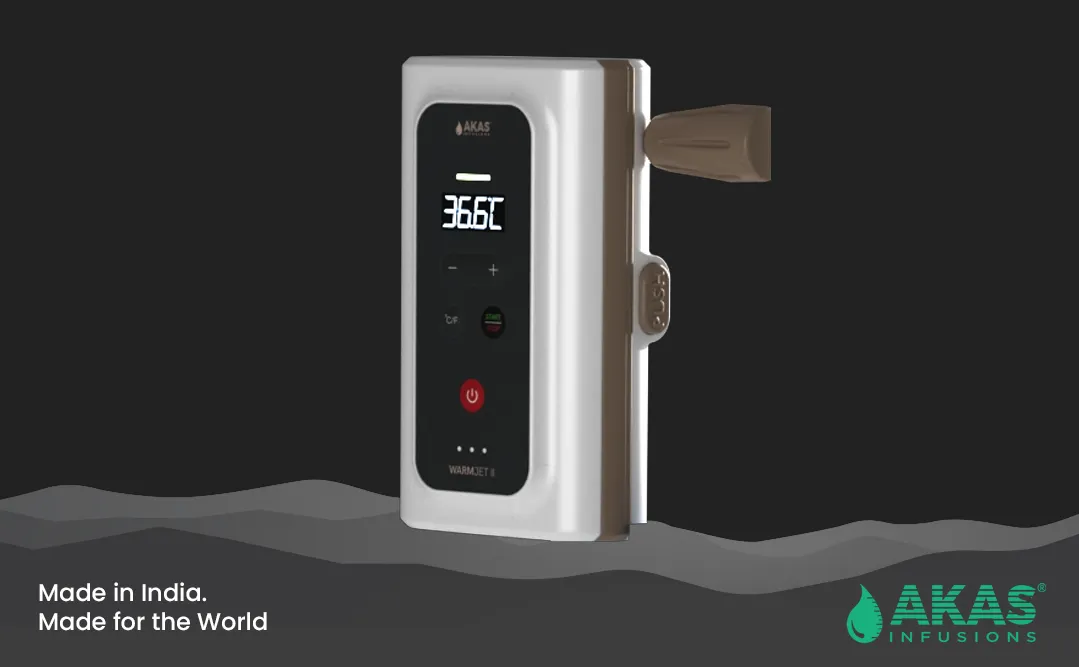
Why Fluid Warmers Are Essential in Every ICU to Prevent Hypothermia
Patient temperature management is a critical component of intensive care treatment. While healthcare professionals focus on monitoring vital signs, administering medications, and managing complex medical conditions, maintaining a patient’s core body temperature is equally important. Critically ill patients are particularly vulnerable to heat loss due to their medical condition, prolonged treatment durations, exposure to cold environments, and the administration of intravenous fluids or blood products.
Even a mild drop in body temperature can increase the risk of complications and negatively impact recovery. This is why the use of a fluid warmer in ICU settings has become an important part of modern critical care protocols. By ensuring that IV fluids and blood products are delivered at appropriate temperatures, healthcare providers can strengthen hypothermia prevention in ICU settings while supporting overall patient safety.
What Is Hypothermia in Critical Care?
Hypothermia occurs when the body’s core temperature falls below normal levels. In ICU settings, patients are often at a higher risk due to factors such as:
- Major surgery or trauma
- Extensive blood loss
- Administration of cold IV fluids
- Sedation and anesthesia
- Reduced ability to regulate body temperature
- Prolonged critical illness
Because critically ill patients frequently receive large volumes of fluids, medications, or blood products, maintaining thermal stability becomes a significant clinical challenge.
Why ICU Patients Are More Vulnerable to Hypothermia
Unlike healthy individuals, ICU patients often have compromised physiological responses, making it difficult to maintain body temperature naturally.
Continuous Fluid Administration
Patients in intensive care units often require ongoing intravenous therapy for hydration, medication delivery, and hemodynamic support. If these fluids are administered at room temperature, they can contribute to heat loss.
Blood Transfusions
Blood products are commonly stored at low temperatures to preserve their quality. Without proper warming before administration, transfusions can significantly lower a patient’s core temperature.
Critical Illness and Trauma
Patients recovering from severe infections, trauma, or major surgery may already be experiencing impaired temperature regulation, making them more susceptible to hypothermia.
Exposure During Treatment
ICU patients may undergo frequent procedures, monitoring, and interventions that increase exposure and contribute to body heat loss.
How Hypothermia Can Affect Patient Outcomes
Preventing hypothermia is not simply a comfort measure but an important patient safety consideration.
Unintended hypothermia may contribute to:
- Increased oxygen consumption
- Cardiovascular stress
- Altered coagulation function
- Delayed recovery
- Increased patient discomfort
- Additional metabolic demands
These risks highlight the importance of effective hypothermia prevention in ICU settings.
The Role of Fluid Warmers in ICU Care
A fluid warmer in ICU environments is designed to raise and maintain the temperature of intravenous fluids before they enter the patient’s bloodstream.
Rather than allowing room-temperature fluids to contribute to heat loss, fluid warmers help support temperature stability throughout treatment.
Maintaining Normothermia
One of the primary benefits of fluid warming technology is its ability to help maintain normothermia, the normal range of body temperature required for optimal physiological function.
Supporting High-Risk Patients
Fluid warmers are particularly valuable for:
- Trauma patients
- Surgical patients
- Critically ill adults
- Neonates and pediatric patients
- Patients requiring blood transfusions
Consistent Temperature Control
Modern warming systems are engineered to deliver fluids at controlled temperatures, helping healthcare professionals maintain reliable thermal management throughout therapy.
Why Blood and Fluid Warmers Are Essential
A blood and fluid warmer helps maintain the temperature of intravenous fluids and blood products before they are administered to the patient.
This capability is especially important in intensive care units where patients often receive multiple therapies simultaneously.
Reduced Risk of Temperature-Related Complications
By minimising the administration of cold fluids, warming systems help reduce the risk of treatment-related temperature drops.
Enhanced Critical Care Support
Blood and fluid warmers provide an additional layer of support for comprehensive patient temperature management protocols.
Improved Workflow Efficiency
Modern systems are designed for easy integration into ICU workflows, allowing healthcare teams to implement warming strategies without disrupting patient care.
Key Features to Look for in a Blood and Fluid Warmer
When selecting a warming solution for critical care environments, healthcare facilities should consider:
- Accurate temperature control
- Rapid warming capability
- Continuous temperature monitoring
- Safety alarms and protection systems
- Compatibility with various infusion setups
- Reliability in high-acuity environments
Choosing the right warming technology can help support both patient safety and operational efficiency.
Best Practices for Hypothermia Prevention in the ICU
Healthcare organisations can strengthen temperature management protocols by:
- Monitoring the patient's temperature regularly.
- Using warming devices for IV fluids and blood products.
- Identifying high-risk patients early.
- Following evidence-based warming protocols.
- Training staff on proper equipment use.
- Integrating warming strategies into critical care pathways.
These measures help create a more comprehensive approach to hypothermia prevention in ICU settings.
Conclusion
Maintaining patient temperature is a vital component of quality critical care. ICU patients face numerous risk factors for unintended hypothermia, including continuous fluid administration, blood transfusions, and impaired thermoregulation. Without effective temperature management, these factors can contribute to complications and affect recovery.
A reliable fluid warmer in ICU environments helps healthcare providers maintain normothermia, improve patient safety, and support better treatment outcomes. By incorporating advanced blood and fluid warmer technology into critical care protocols, hospitals can strengthen their approach to hypothermia prevention in ICU settings and deliver more effective patient-centred care. AKAS Infusions supports these efforts with advanced fluid warming solutions designed for the demands of critical care environments.
Frequently Asked Questions (FAQs)
1. Why is a fluid warmer used in ICU settings?
A fluid warmer in ICU settings helps maintain the temperature of intravenous fluids before administration, reducing the risk of unintended hypothermia and supporting patient temperature stability.
2. How does a blood and fluid warmer work?
A blood and fluid warmer uses controlled heating technology to safely warm fluids and blood products before they enter the patient’s bloodstream.
3. Why are ICU patients at risk of hypothermia?
ICU patients often receive IV fluids, blood transfusions, anaesthesia, and prolonged medical interventions that can contribute to heat loss and impaired temperature regulation.
4. Can IV fluids cause hypothermia?
Yes. Administering large volumes of room-temperature or cold fluids can lower a patient’s core body temperature, particularly in critically ill individuals.
5. What are the benefits of hypothermia prevention in the ICU?
Effective hypothermia prevention supports patient safety, temperature stability, comfort, and overall critical care management.
6. Who benefits most from blood and fluid warmers?
Trauma patients, surgical patients, ICU patients, neonates, and individuals receiving blood transfusions are among those who may benefit most from blood and fluid warming technology.