Infusion Pump for Hospital Use: ICU & Emergency Care Guide
Learn how infusion pumps support hospitals across ICU, emergency and general care, with key applications, features, selection tips and safety considerations.
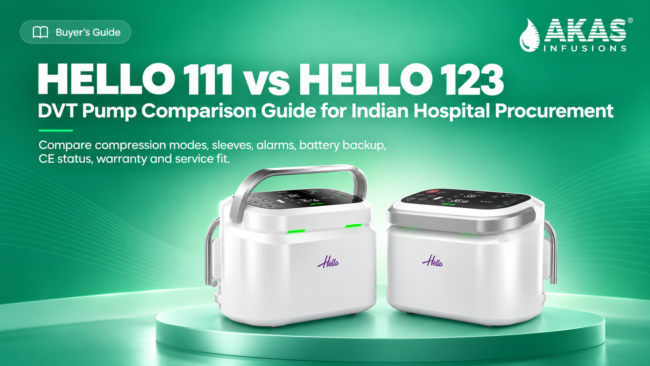
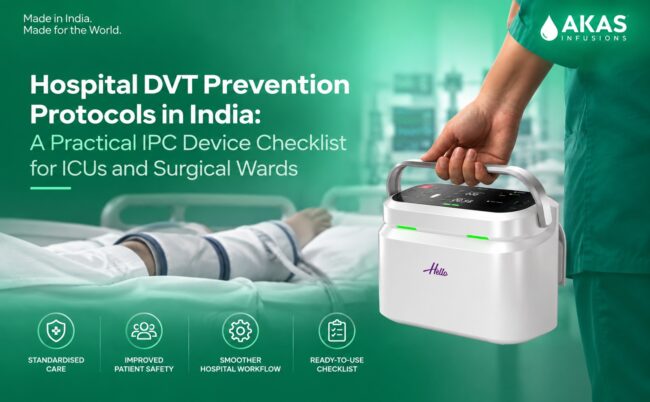
Why Fluid Warmers Are Essential in Every ICU to Prevent Hypothermia Deep Vein Thrombosis (DVT) is a serious medical condition that occurs when a blood clot forms in the deep veins, most commonly in the legs. It is one of the leading preventable causes of complications among hospitalized patients, particularly those recovering from surgery, prolonged…
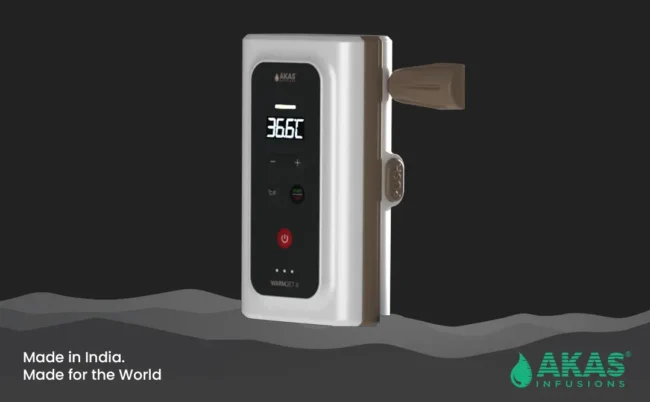
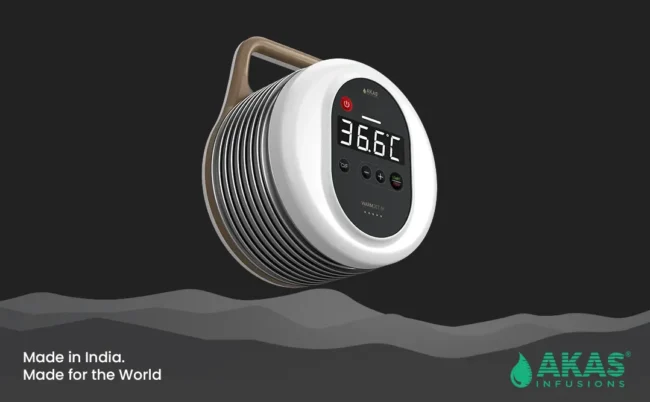
Why Fluid Warmers Are Essential in Every ICU to Prevent Hypothermia Patient temperature management is a critical component of intensive care treatment. While healthcare professionals focus on monitoring vital signs, administering medications, and managing complex medical conditions, maintaining a patient’s core body temperature is equally important. Critically ill patients are particularly vulnerable to heat loss…
Challenges of Low-Flow Rate Infusions in Critical Care & How Fluid Warmers Solve Them In critical care environments, every aspect of patient management matters, including the temperature of the fluids being administered. While significant attention is given to accurate drug dosing and infusion rates, the impact of fluid temperature during low-flow infusions is often underestimated.…
In today’s healthcare landscape, infusion pumps are central to safe and precise patient care. From intensive care units to general wards, these devices ensure accurate delivery of fluids, medications, and nutrients. But while the technology itself is critical, choosing the right supplier is equally important. With multiple options available in the market, hospitals and healthcare…
In modern healthcare, infusion pumps are not just devices; they are lifelines. From critical care units to general wards, these pumps ensure precise delivery of medications, fluids, and nutrients. Yet behind every successful infusion is a less visible but equally critical factor: maintenance. For years, hospitals have relied on reactive or scheduled servicing to manage…
Infusion therapy has long been a critical part of patient care, supporting everything from hydration and pain management to chemotherapy and critical care. But as healthcare systems evolve, so does the technology behind infusion delivery. By 2026, infusion systems will no longer be just about delivering fluids accurately; they will become smarter, safer, and more…