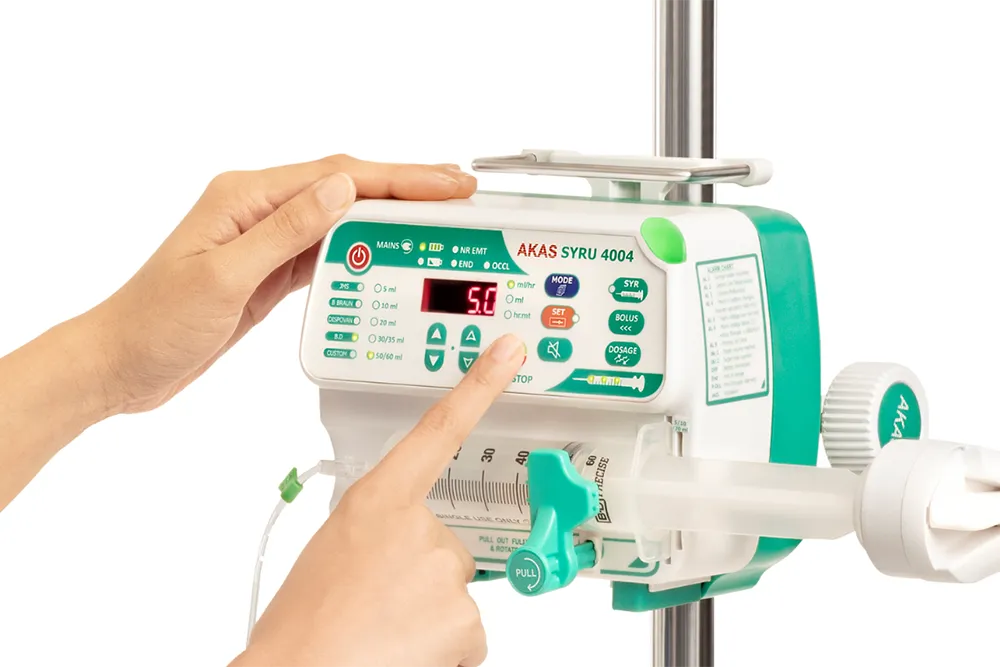
General

Top Infusion Technology Innovations in Healthcare to Watch in 2026

Infusion therapy has long been a critical part of patient care, supporting everything from hydration and pain management to chemotherapy and critical care. But as healthcare systems evolve, so does the technology behind infusion delivery. By 2026, infusion systems will no longer be just about delivering fluids accurately; they will become smarter, safer, and more integrated into the overall care ecosystem.
For clinicians, hospitals, and healthcare providers, staying informed about these changes is essential. The next wave of infusion technology innovations focuses on reducing errors, improving efficiency, and enhancing patient comfort, without adding unnecessary complexity to already demanding care environments.
Here are the key infusion technology trends shaping healthcare in 2026 and beyond.

1. Smarter, Safer Infusion Pump Design

One of the most important shifts in recent years is the move toward smart infusion pumps that actively support clinical decision-making. These systems are designed to do more than follow preset rates; they help prevent errors before they happen.

Modern pumps increasingly include features such as:

This evolution in infusion pump technology reflects a broader industry focus on patient safety and consistency of care. In busy hospital wards, where time and attention are stretched, smarter design can significantly reduce the risk of medication errors.

2. Audio and Visual Guidance for Better Usability

A major usability challenge in infusion therapy has always been the learning curve associated with complex devices. In response, manufacturers are increasingly introducing audio prompts and clearer visual interfaces.
By 2026, many infusion systems provide:

These improvements are particularly valuable in high-pressure environments such as ICUs and emergency departments, where clarity and speed matter. This shift represents a more human-centred approach to infusion technology in healthcare, recognising that devices must support caregivers, not slow them down.

3. Compatibility with Existing Clinical Infrastructure

Another important innovation is the emphasis on compatibility. Hospitals are moving away from systems that require proprietary consumables or specialised accessories.
The latest infusion pump technology increasingly supports:
This flexibility allows healthcare facilities to integrate new technology without disrupting established procurement and workflow practices. It also reduces long-term operational costs, an important consideration for hospitals managing tight budgets.

4. Improved Battery Performance and Power Management

As infusion pumps are used across wards, during patient transport, and in extended therapy sessions, power reliability has become a key differentiator.
Newer infusion systems are focusing on:
These advancements ensure continuity of care, especially during patient movement or in settings where access to power outlets may be limited. Reliable power support is no longer a luxury; it is a baseline expectation in modern infusion care.

5. Focus on Ergonomics and Portability

Design innovation is no longer limited to software and electronics. Physical design has also seen meaningful improvement.
Modern infusion devices are:
This focus on ergonomics supports both patient comfort and caregiver efficiency. Portable, lightweight designs are particularly valuable in multi-bed wards and home-care settings, where flexibility is essential.

6. Data Integration and Smarter Monitoring

Looking ahead, infusion systems are becoming more connected. While full interoperability is still evolving, many devices are now designed with future integration in mind.
Emerging capabilities include:
These features help healthcare teams move toward data-informed care without overwhelming them with unnecessary complexity. Over time, connected infusion devices will play a larger role in improving clinical outcomes and operational efficiency.

7. A Shift Toward User-Centred Innovation

Perhaps the most important trend is philosophical rather than technical. Infusion technology is no longer being designed only around specifications; it is being designed around real-world use.
Manufacturers are paying closer attention to:
This shift ensures that innovation remains grounded and meaningful. The goal is not to add features for the sake of novelty, but to create systems that genuinely improve care delivery.

How AKAS Infusions Aligns with the Future

At AKAS Infusions, innovation is driven by a clear understanding of clinical realities. The focus remains on building infusion solutions that balance safety, simplicity, and reliability, without overcomplicating care.

By prioritising intuitive design, compatibility, and dependable performance, AKAS Infusions continues to contribute to the evolving landscape of infusion technology, supporting healthcare providers as they prepare for the future.

In Conclusion

As we move into 2026, infusion systems are becoming smarter, more supportive, and more aligned with real-world clinical needs. From enhanced safety mechanisms to improved usability and power efficiency, these innovations reflect a broader commitment to better patient outcomes and smoother workflows.

For healthcare providers, staying informed about these trends is key to making confident technology decisions. And for patients, these advancements promise safer, more comfortable, and more reliable infusion therapy.

The future of infusion care is not just about technology; it’s about thoughtful design that puts people first.

Frequently Asked Questions (FAQs)

Infusion pump technology refers to medical devices designed to deliver fluids, medications, or nutrients into a patient’s body in controlled amounts, ensuring accuracy and consistency in therapy.
Smart infusion pumps use built-in alerts, safety limits, and guided workflows to reduce medication errors and support caregivers during setup and monitoring.
Clear interfaces, audio alerts, and simplified controls reduce training time, minimise errors, and help caregivers focus more on patient care rather than device operation.
Extended battery life ensures uninterrupted therapy during patient transport, power interruptions, or long treatment sessions, improving overall reliability.
Future developments are likely to include better data integration, enhanced connectivity, and even more user-centred designs that adapt to diverse care environments.